


Origin
With the land. With the animal. With the people who work with it.
Oorsprong traces wool from outdoors to on the skin, and sometimes back to the soil.
A material is never an isolated entity. It embodies the landscape, the hands, and the choices that preceded it.
Here we collect stories
about Dutch wool, landscape, craftsmanship
and the journey from fiber to garment.
The Dutch Year of Wool
Wool knows no hurry. The material follows the rhythm of animal, land, and seasons.
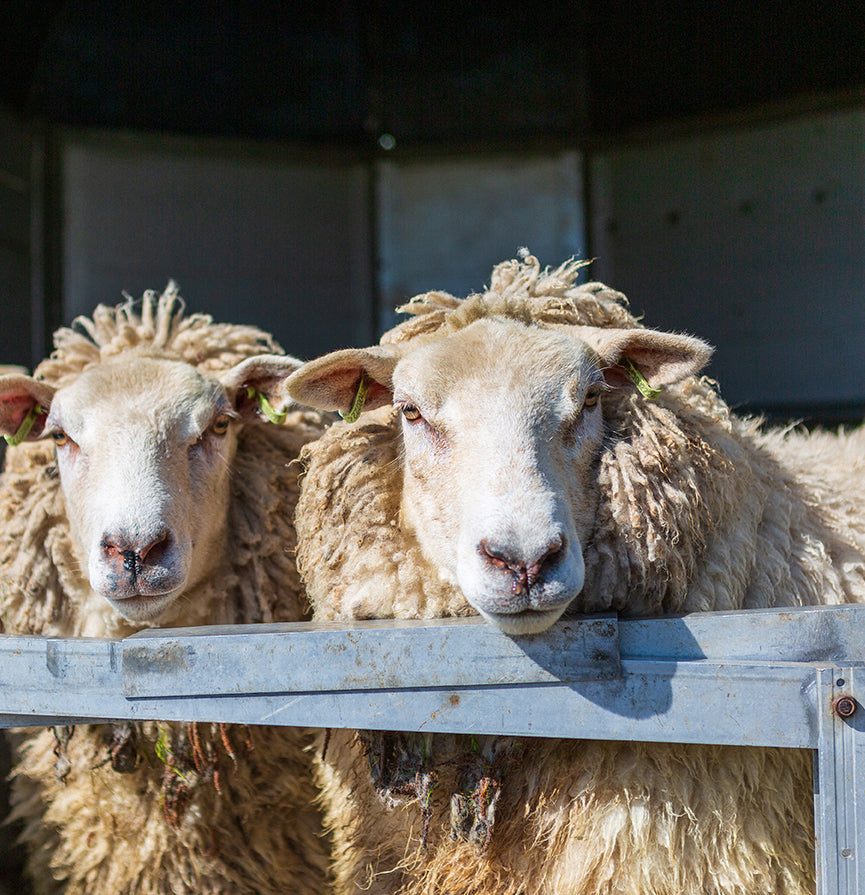
In spring, the cycle begins anew. As the grass and landscape grow, so does the fleece. Month after month, the material we will later work with takes shape.
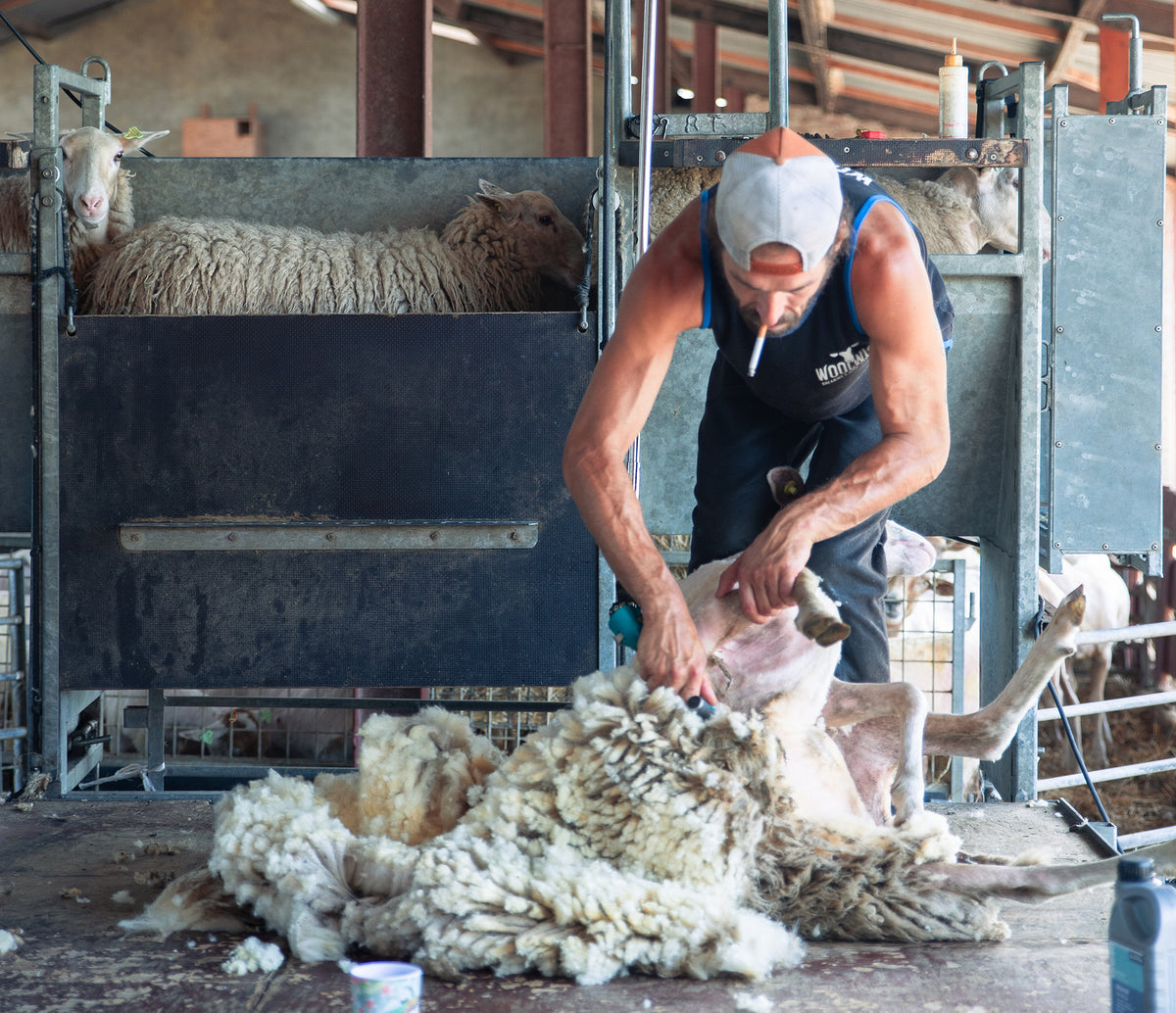
At the beginning of summer, the sheep are shorn. The wool is collected and selected, after which the work moves from the land to the makers: washing, carding, spinning, dyeing, knitting, and developing.
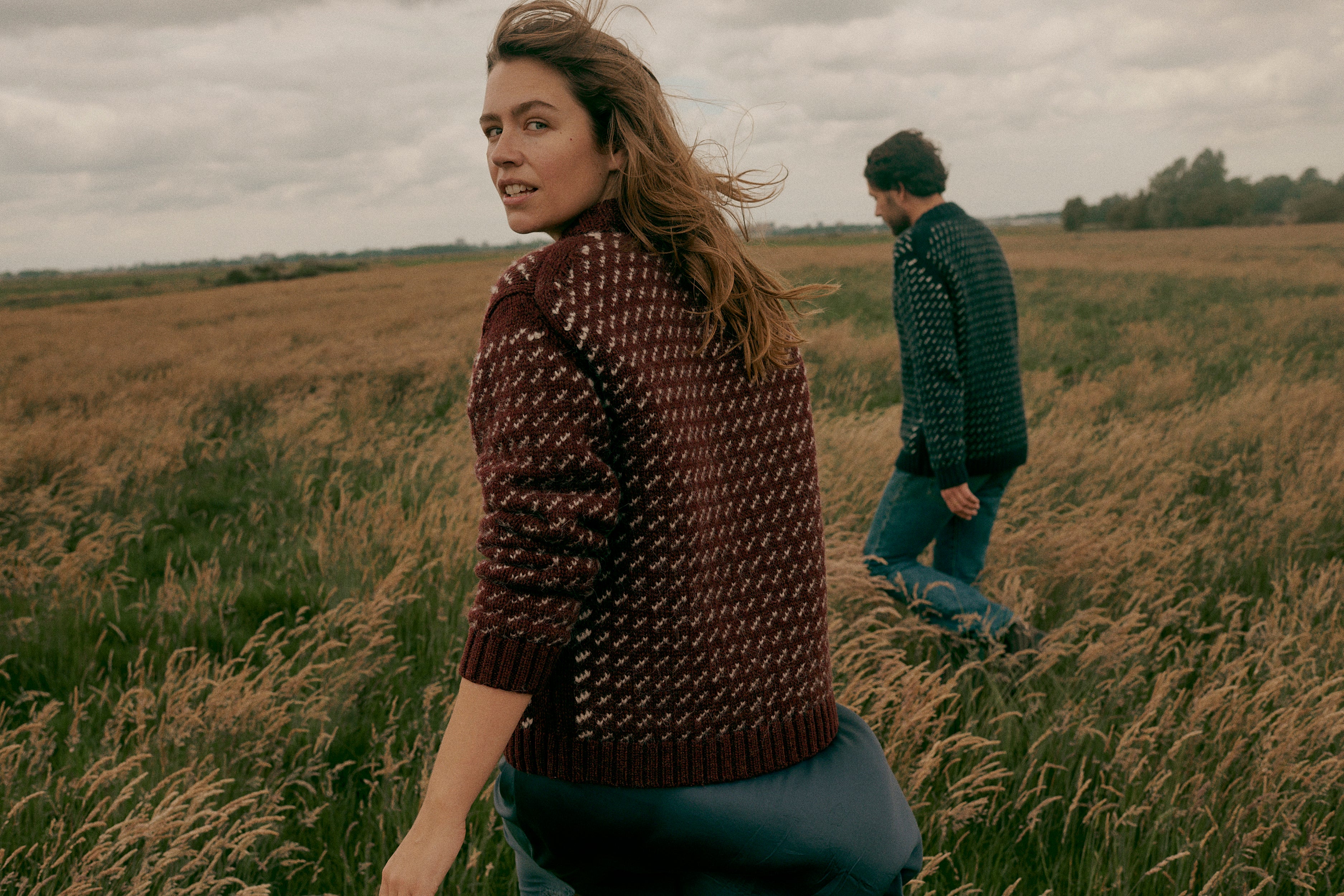
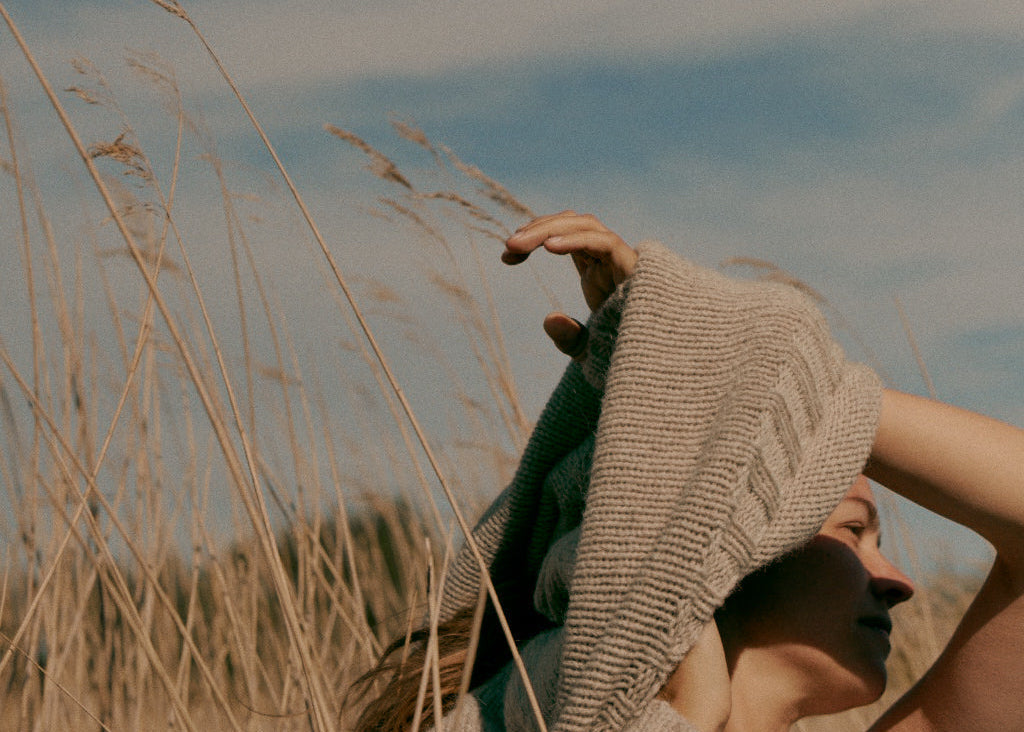
In autumn, wool returns in a different form. As knitwear, the material is worn for what it is naturally so suited to: retaining warmth and protecting when it gets colder outside.
On September 17, we mark this transition with the Opening of the Wool Season. An annual moment when wool, makers, and new knitwear come together — and the wearing season begins.
Opening of Wool Season.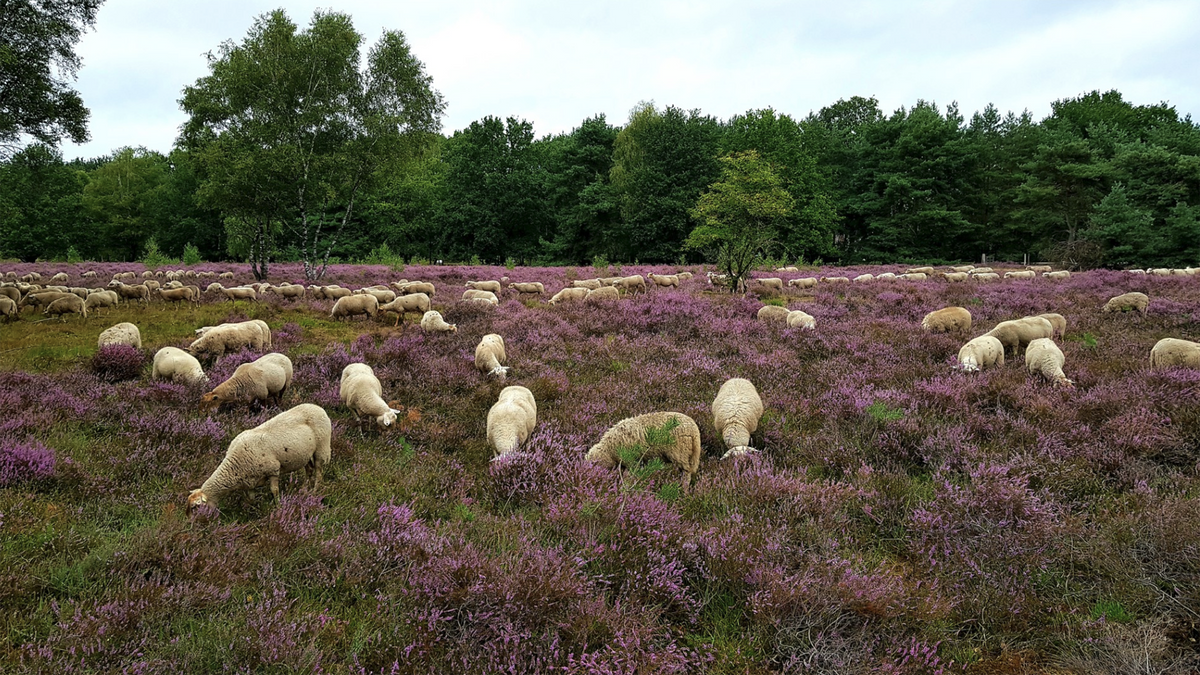
People behind the wool
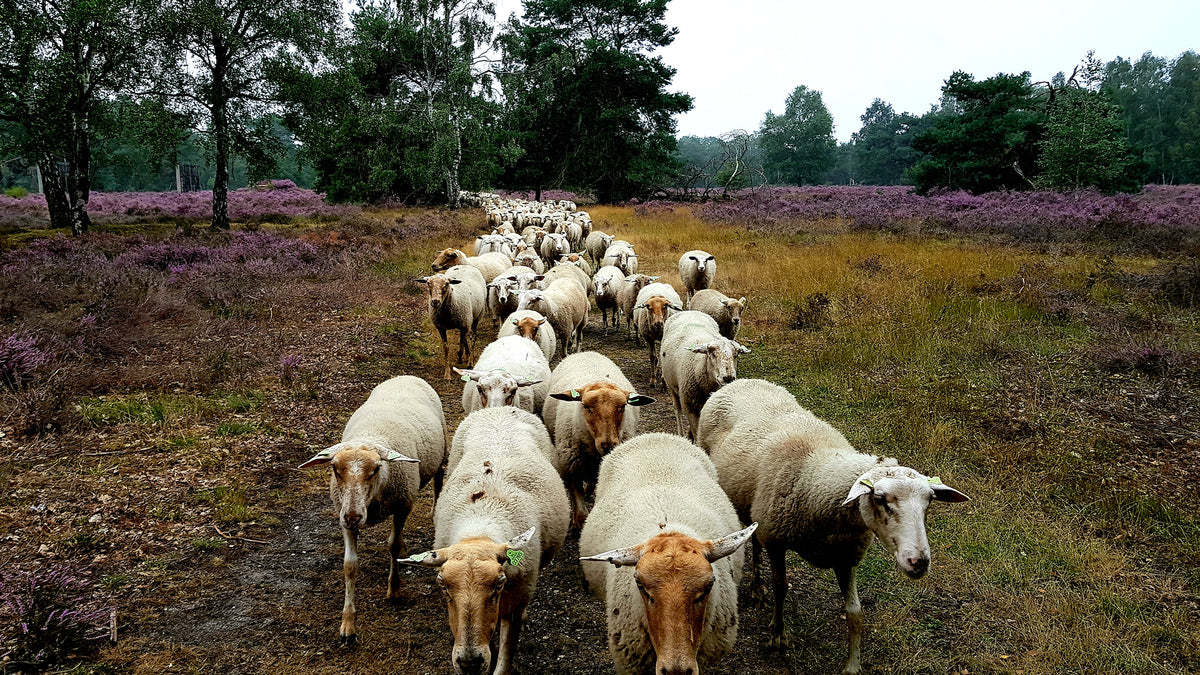
Sjraar and his herd
What started as a way to keep the heath healthy grew into a flock of thousands of Kempense Heideschapen (Kempen Heath Sheep). Together with shepherd Sjraar van Beek, we investigate how grazing, landscape, and wool quality are interconnected, and how Dutch wool can regain its value.
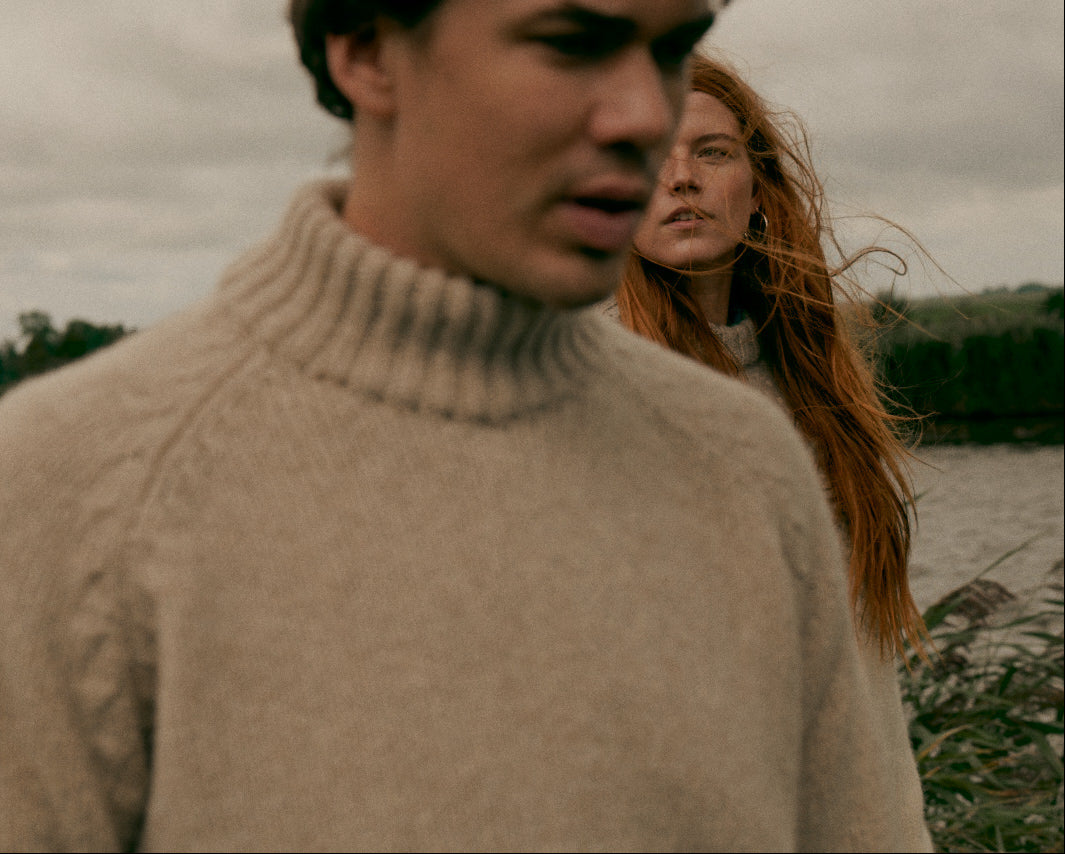
Not all wool needs to be soft.
Softness is just one way to look at wool.
Wool from Dutch sheep can feel sturdier, drier, and more pronounced than merino or alpaca. That is not a quality we try to eliminate. On the contrary, it is the starting point for what we create with it.
One fiber provides structure. Another, resilience, warmth, or volume. By selecting, blending, and knitting wool based on its own character, we create knitwear that does not try to be something else.
Not adapting the fiber to the product, but designing the product from the fiber.
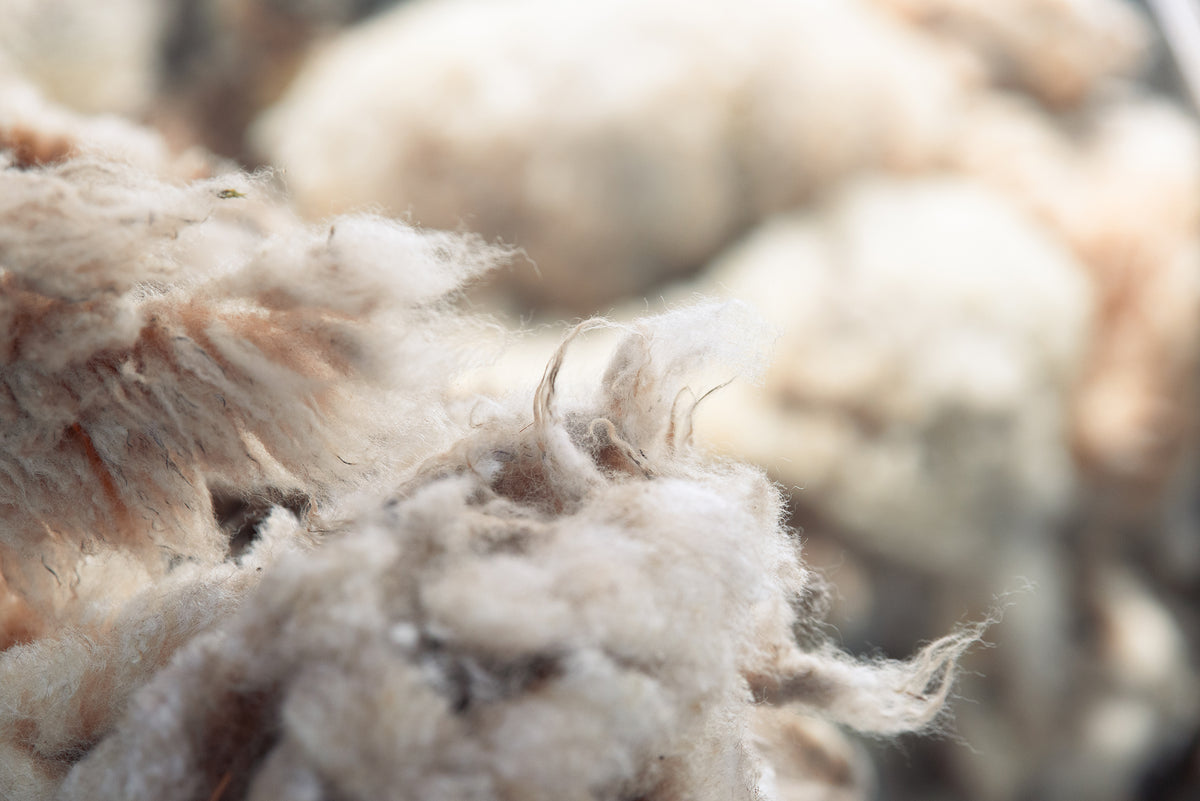
From soil to wool —
and back again
A sheep is not separate from the landscape it inhabits. Grass, soil, grazing, and the animal are all part of the same system. The fleece that grows anew each year is literally a product of this system.
For The Knitwit Stable, circularity therefore doesn't begin when a sweater is discarded. The question starts much earlier: how can what we make remain part of the cycle from which the material originates?
From soil to grass, from grass to sheep, from sheep to fiber — and ultimately, perhaps, back again.
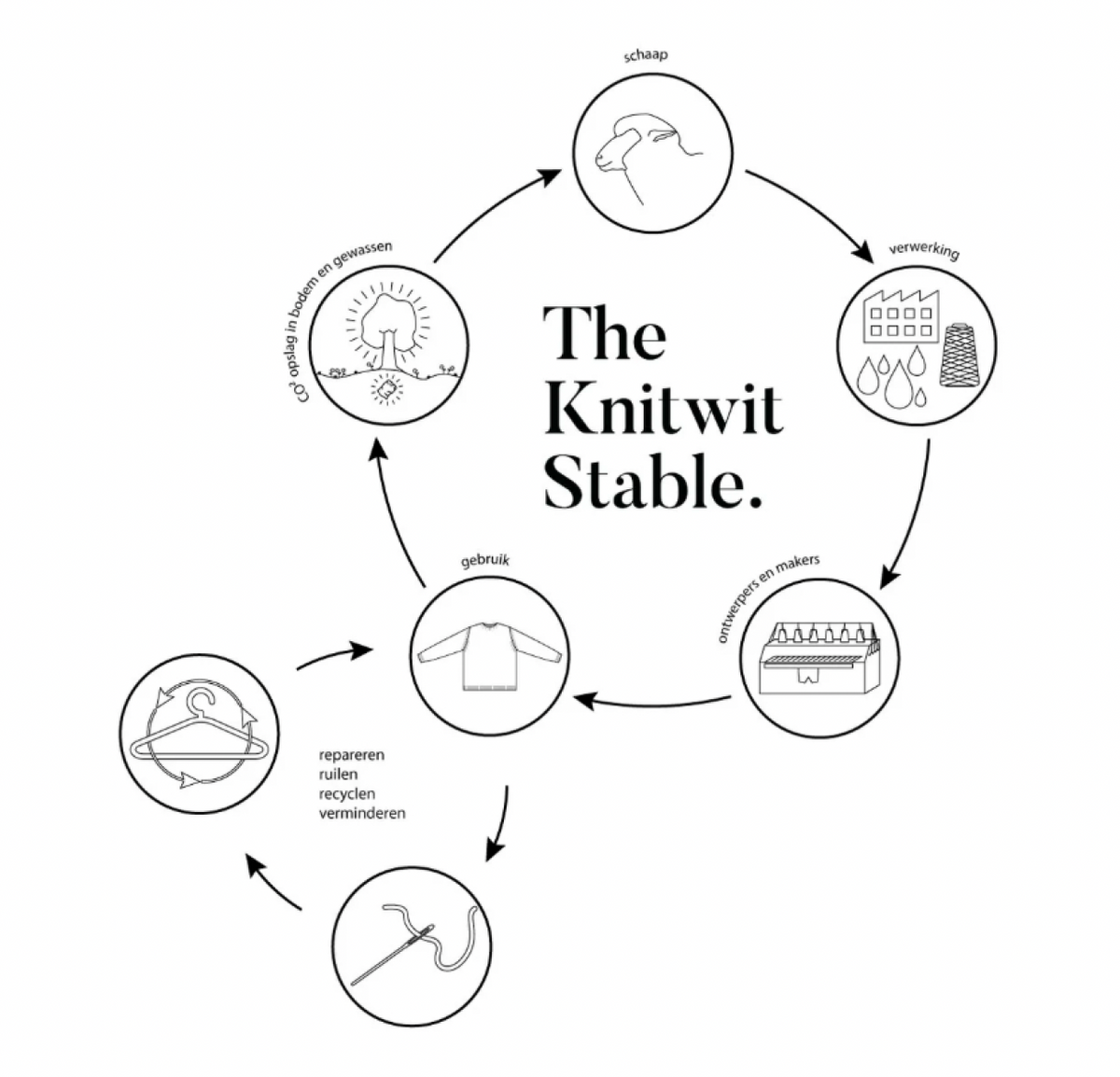


Can a sweater go back to the bottom?
Wool is a natural fibre. But that doesn't automatically make a woollen jumper a product that can return to nature.
A garment also consists of yarns, dyes, labels, and thread for seams and finishing. Every addition influences what can happen to it at the end of its life.
With our compostable collection, we are exploring how far we can go with this.
What do you need to omit, change or redevelop to eventually return a jumper to the soil?
And most importantly: what is already possible - and what is not yet?


The colour of wool
Wool does not start as a white canvas. Many of our colors arise from the natural shades of the fleece. Off-white mélange, beige mélange, taupe mélange, and some brown alpaca shades are entirely or almost entirely undyed.
The color is composed before spinning. Different natural fibers are blended for the right shade and depth. Sometimes we add a small portion of dyed fibers, for example, to darken a natural taupe.
For pronounced colors, more wool is dyed. Dark blue is blended with natural wool to create a mélange; colors like yellow and red consist entirely of dyed wool.
Thus, the majority of our collection is supported by the original colors of the wool itself: vibrant, nuanced, and naturally never quite uniform.
